
Attempting to trace the origins and diffusion of a folk-song always amounts to detective work, as Bruno Nettl illustrates with typical clarity in Chapter 8 of Ethnomusicology: thirty-three discussions, on tune-families (“The most indefatigable tourists of the world”).
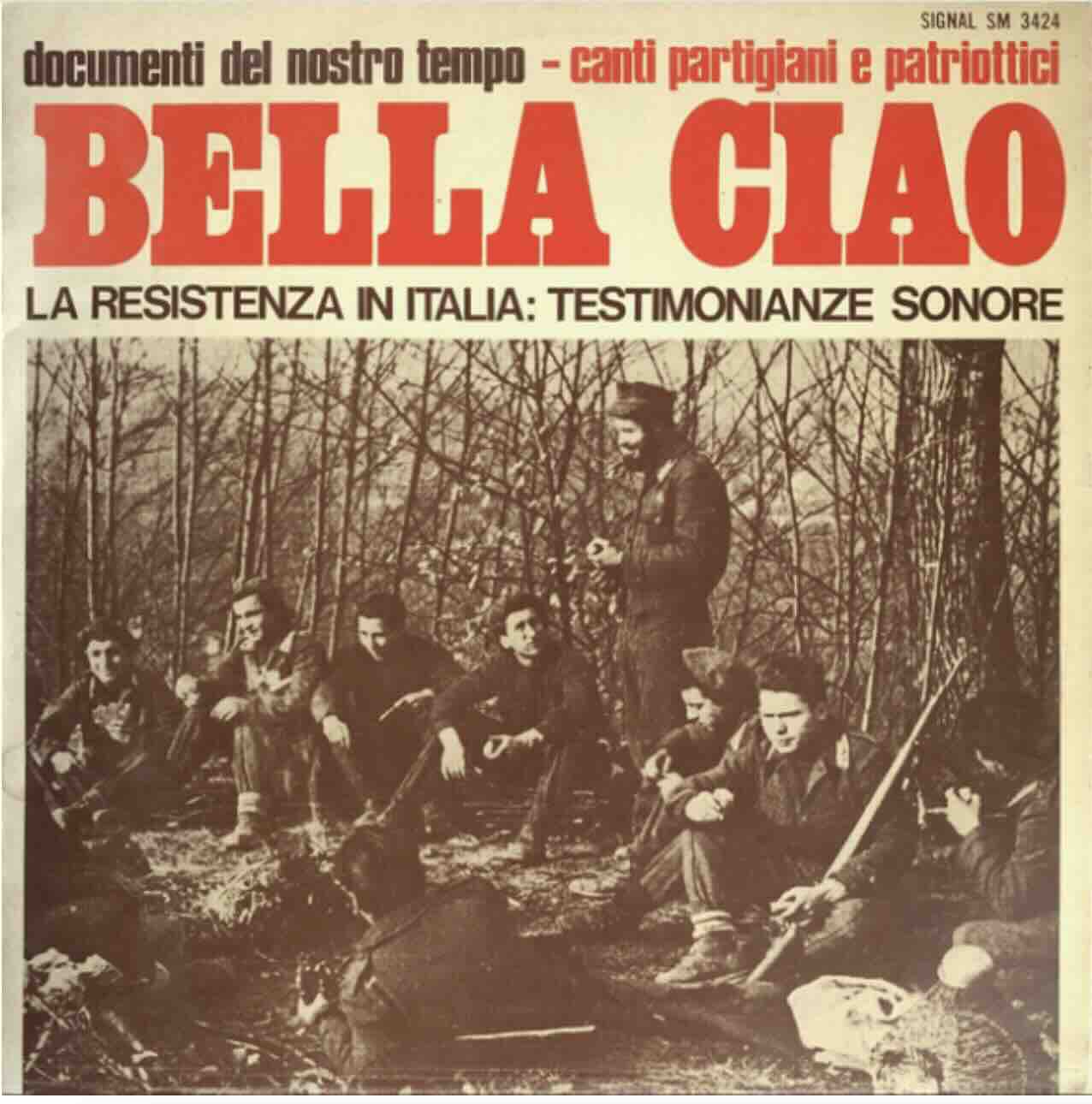
The story of the “anti-fascist anthem” Bella ciao is relatively simple, but there is still much to unpick. The roots of the melody have been traced to French, Yiddish, or Dalmatian folk music. The oldest known recording (without lyrics) was made in 1919 by the Odesa-born klezmer accordionist Mishka Ziganoff:
(BTW, do read Annie Proulx’s Accordion crimes!)
More confusing is the fame of Bella ciao since the partisan resistance to Nazi occupation. A rival version of the song’s origin gained credence, claiming that it is based on the folk-song “Alla mattina appena alzata”—part of the mondina genre sung by female rice-weeders in north Italy, whose themes often lamented harsh working conditions and cruel padroni. Here’s a documentary from 2022 on the mondine in Cremona, with archive footage and sources listed in the final credits:
A recent Guardian article refers to Luigi Morrone’s 2018 article in La Corriere della Sera detailing the song’s “invented tradition”, citing Giorgio Bocca:
In the twenty months of the partisan war I never heard Bella ciao sung, it was an invention of the Spoleto Festival.

So here’s an evocative film of the influential group Nuovo Canzoniere Italiano at the 1964 Festival dei Due Mondi in Spoleto—with Giovanna Daffini, herself a former mondina:
Morrone’s article further debunks popular myths by describing the controversy concerning Daffini’s claim over the mondina version.
* * *
Whatever the song’s “original” function, as the Guardian article continues,
In the cold war era, Bella ciao, with its vaguely-defined enemy and stress on romance over ideology, became a more consensual anthem by which to remember the fight against fascism.
Apart from endless commercial versions (the wiki section on international covers is impressive), the song continues to be sung worldwide as a hymn of resistance to tyranny, such as at the 2013 Gezi Park protests in Istanbul; in Iran and Ukraine; and most recently, to oppose Viktor Orbán at the European Parliament.
See also Italy: folk musicking.
 Stephen Jones: a blog
what do you think accounts for the uncanny power of Geeshy Wiley’s “Last Kind Word Blues”?
LikeLike
Thanks for the tip-off!!!
LikeLike