
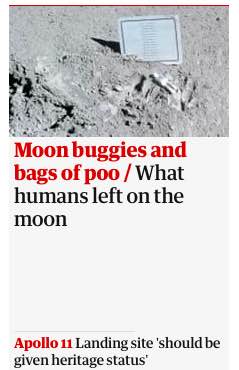
This recent Guardian headline encapsulates my feelings about the whole heritage shtick. The heritage tag on this blog is voluminous, covering many local genres in China and elsewhere.

The starter, citing thoughtful research on the Intangible Cultural Heritage (ICH) system around the world, is
John Butt offers useful perspectives in
For China, also basic is this page on the Li family Daoists:
Another relevant post is
More broadly, here I list some posts on the friction between traditional and conservatoire styles. The ICH also crops up in several field reports under local ritual, including
- Ritual traditions of Zuoyun, Shanxi
- Buddhist ritual in south Shaanxi
- Yet more heritage flapdoodle: Hongtong
- The Chinese shawm: changing rural and urban images
- The Heritage razzmatazz in Zhejiang.
Zhang Zhentao’s review of my film on the 1995 New Year’s rituals in Gaoluo discusses the aesthetic, um, heritage of the manicured ICH style.
While some scholars observe how local dwellers mould the state programme to their own agendas, I often note that its effects are either negative or inconsequential. And I’m not alone.
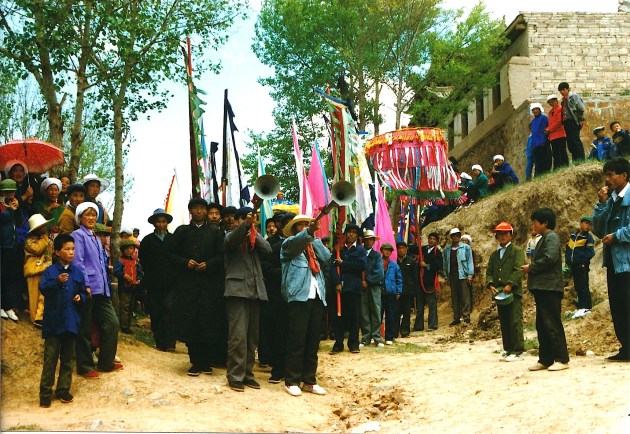
For the Chinese regime’s abuse of heritage in Xinjiang, see articles by Rachel Harris and Musapir; for Tibet, see Tibetan resistance to Heritage fever and Ritual singing in an Amdo community. For Central Asia, click here; for UNESCO in Turkey, here. And for Fatima Manji’s fine contribution to the current debate about heritage sites in Britain, click here.


Pingback: Social issues in rural Hunan | Stephen Jones: a blog
Pingback: Whistled languages, mundane and transcendental | Stephen Jones: a blog